
Paper packaging: how Italy is becoming a model for Europe
Seda International Packaging Group presents two sustainability case studies with concrete, measurable results. In the Informal Eating Out sector, 84% separate waste collection and 87% of paper packaging sent for recycling. At large-scale events, a separate collection success at the Jova Party. A model worth promoting at European level too.
Technological innovation, sustainable design and collaboration along the entire value chain are making food packaging a concrete example of the circular economy, with measurable results and models that can be replicated in other European countries.
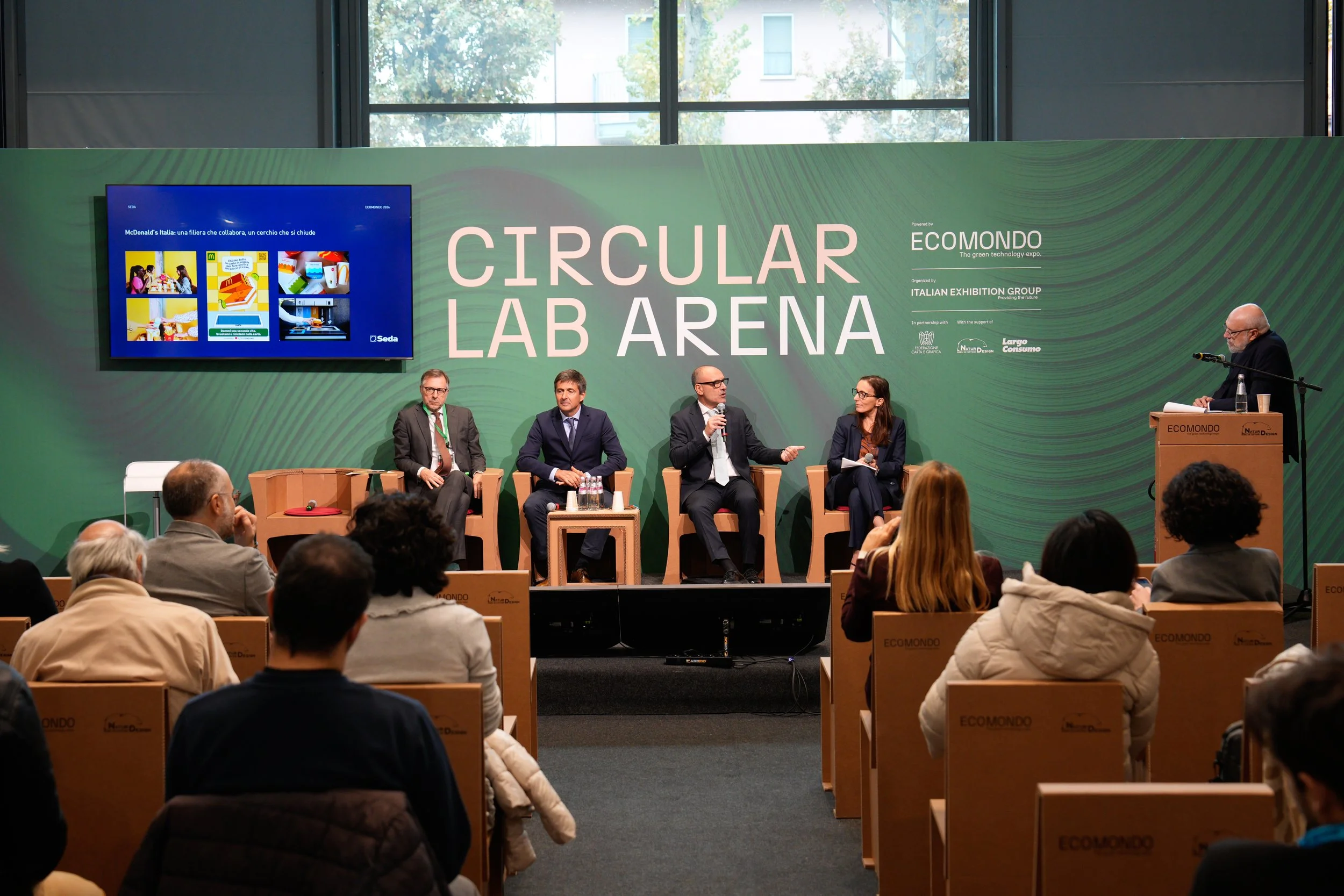
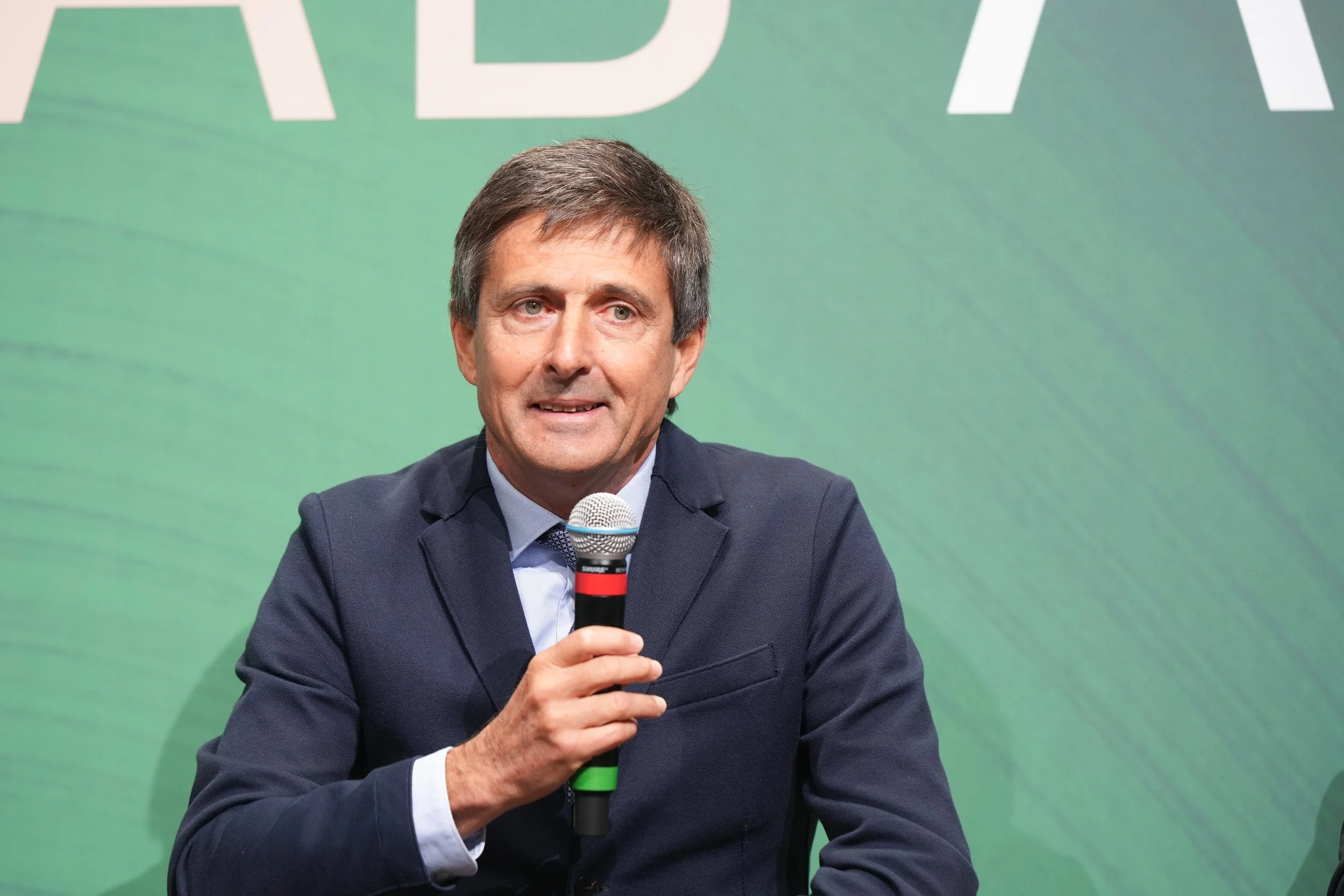
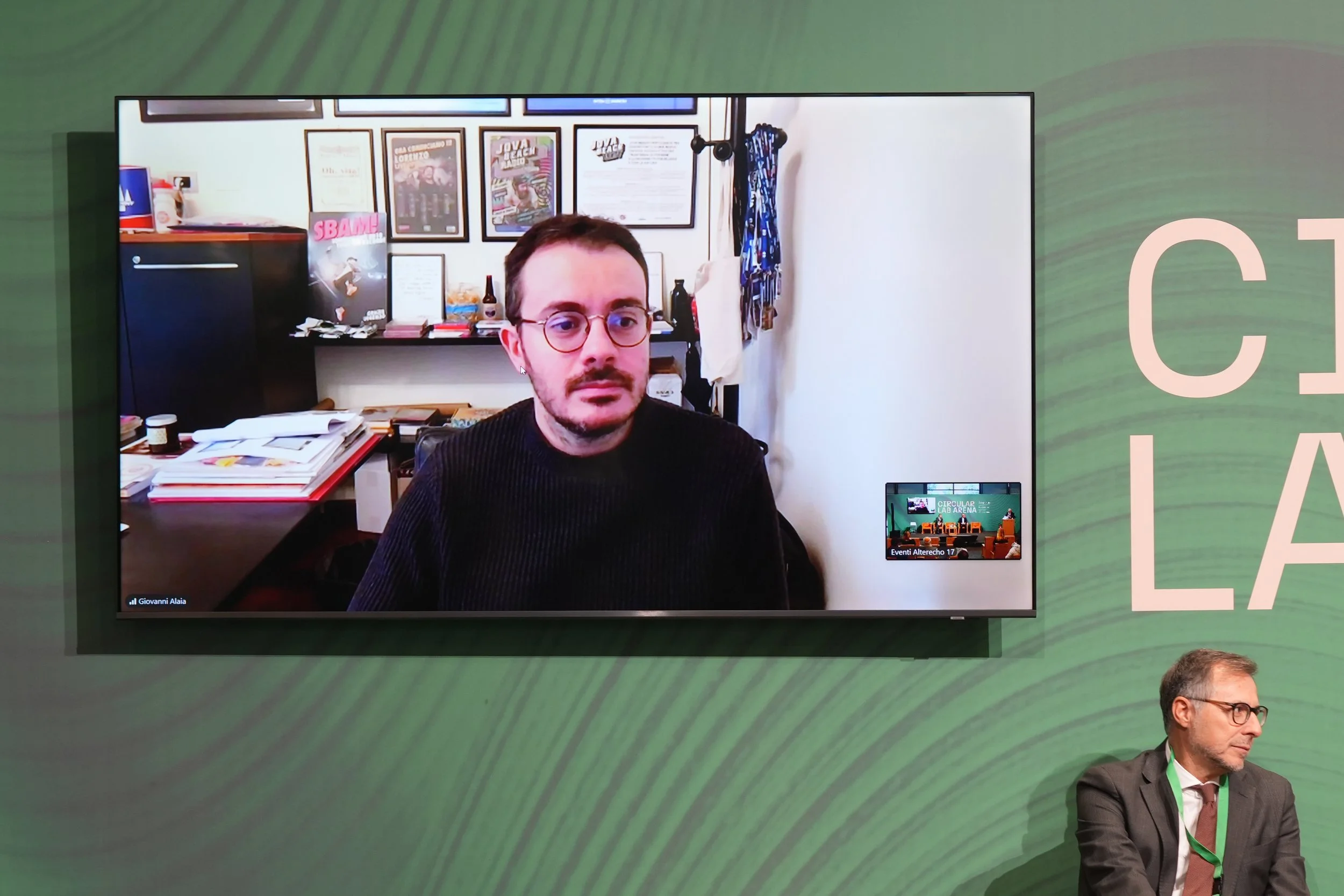
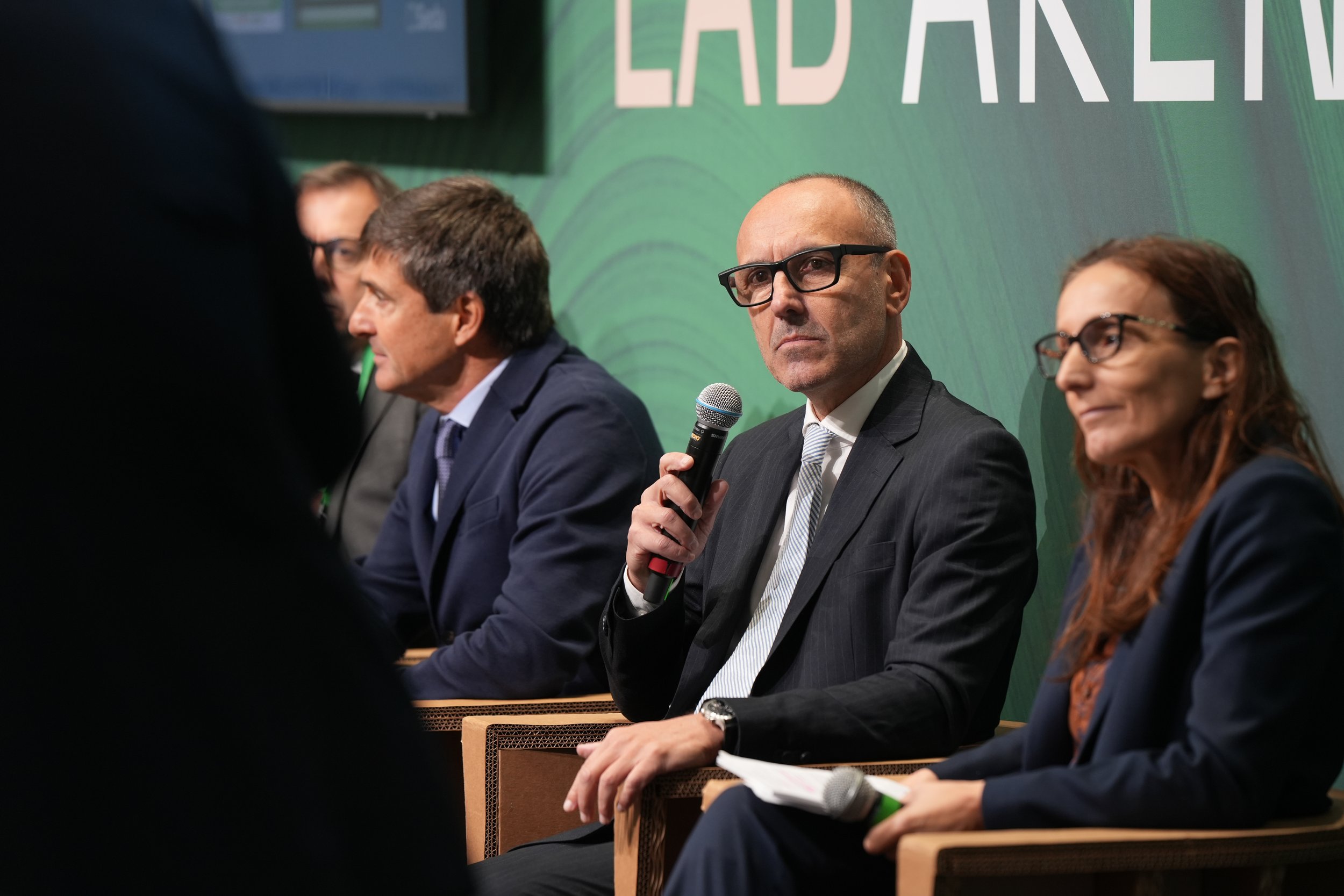
This was the message Seda International Packaging Group brought to Ecomondo 2026, the international exhibition dedicated to the green, blue and circular economy currently taking place in Rimini, during the panel “The value of paper packaging along the value chain, upstream and downstream: how partnerships close the loop”.
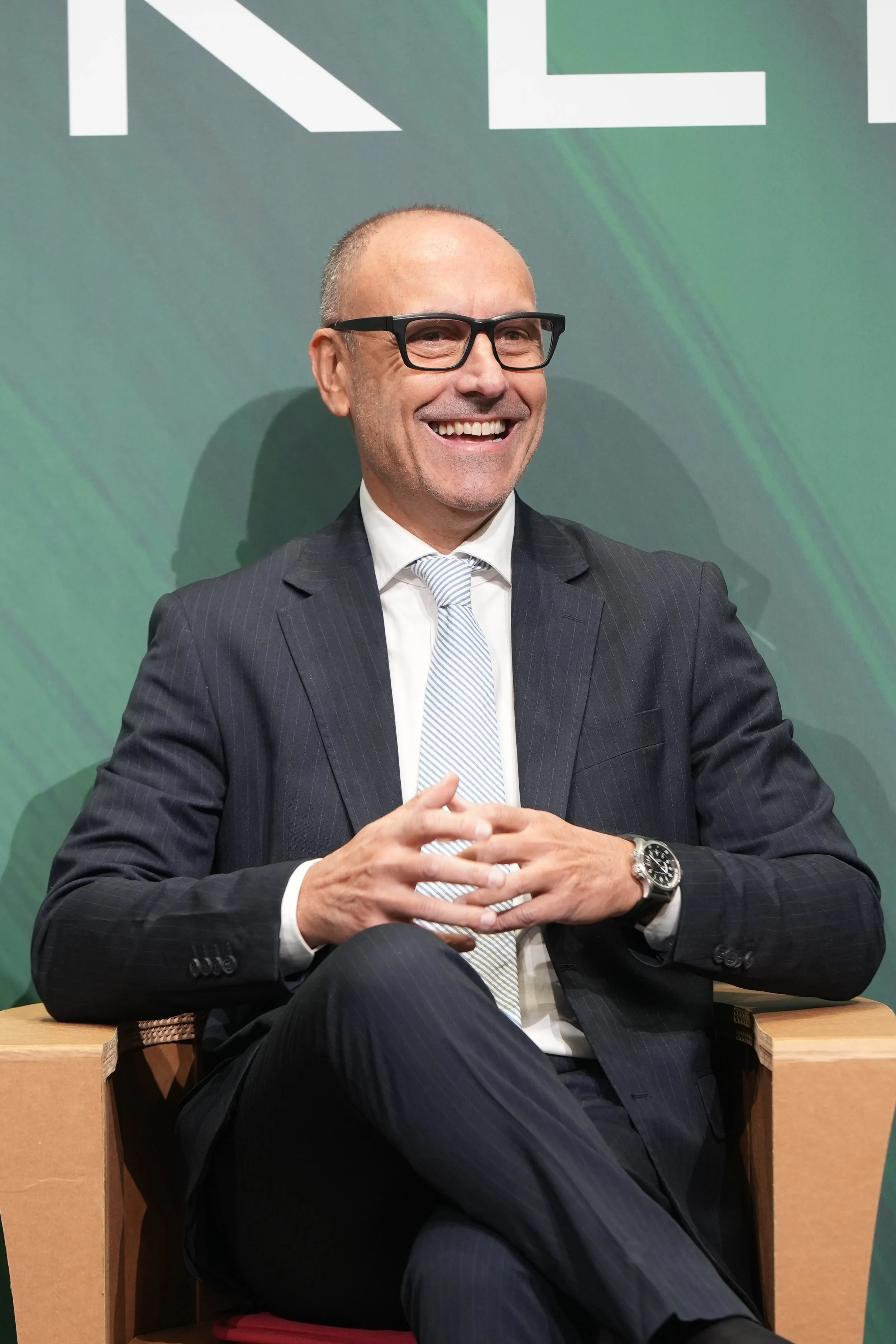
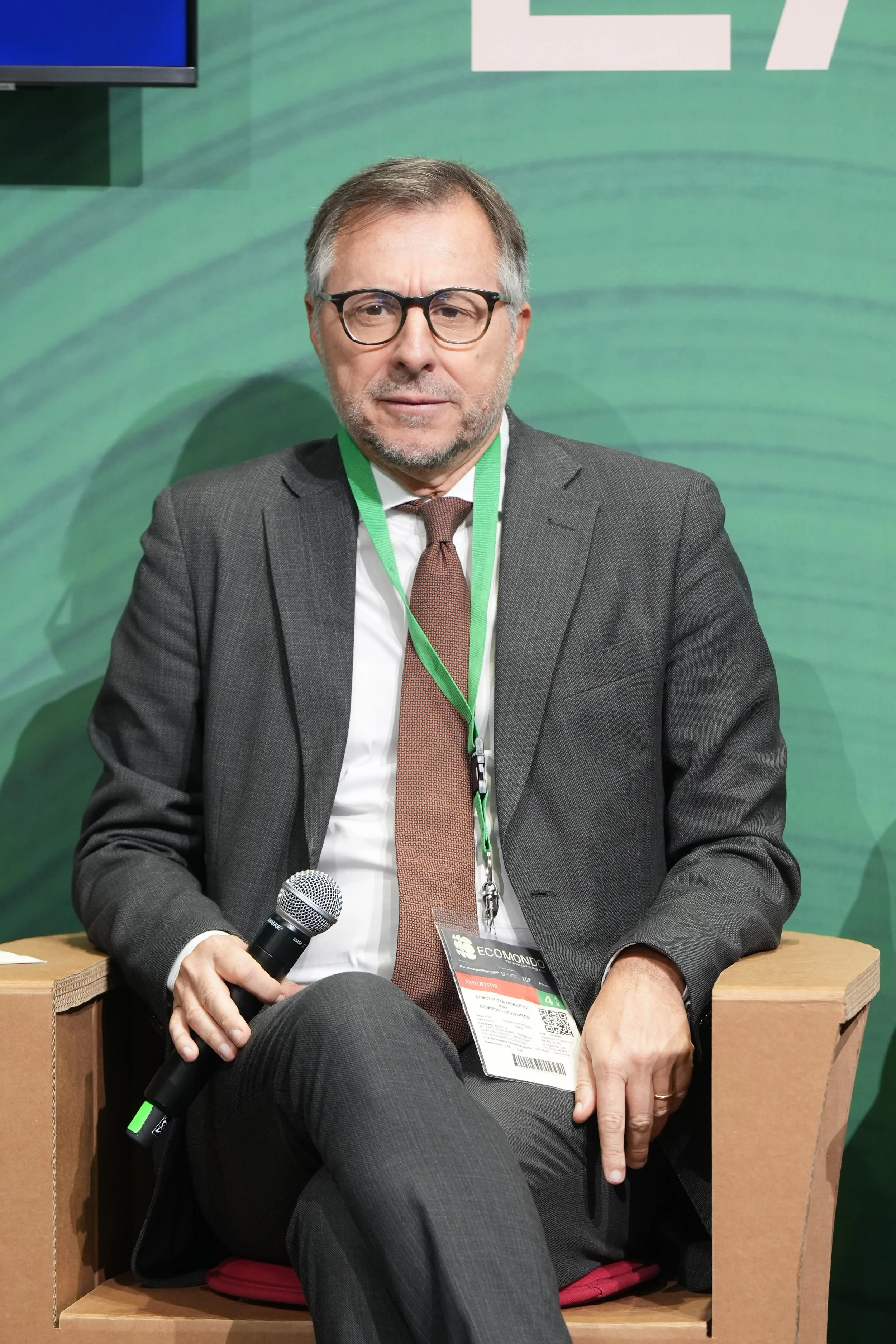
The discussion was moderated by Maurizio D’Adda, Director of Assografici, and focused on two projects Seda developed with its partners: the circular economy model created with McDonald’s Italia, in collaboration with Comieco and waste collection operators, and the model trialled with Trident for the Jova Summer Party 2026.
The two settings are very different. Both show that paper packaging innovation, combined with well-organised collection and consumer engagement, can help make better use of resources and achieve high recycling rates.
RECYCLING: THE MCDONALD’S ITALIA MODEL, AN EXAMPLE FOR EUROPE
In his talk, Armando Mariano, Head of Materials, Products and Sustainability R&D at Seda, explained how the Group applies ecodesign principles when developing new food packaging solutions. The aim is to improve packaging performance and sustainability, and also its recyclability and competitiveness. Seda developed this approach ahead of the changes to the European regulatory framework. It works together with its customers to create products that use resources ever more efficiently and fit fully into collection and recycling systems.
The partnership with McDonald’s Italia is a significant example of this approach. Through joint research and development, Seda has contributed to the evolution of packaging used in quick-service restaurants. It introduced new paper solutions for beverages, ice cream and food, optimised the use of raw materials and improved fibre recovery.
The paper packaging Seda developed for McDonald’s has been assessed for recyclability using the Aticelca method. It achieved high classification levels, showing that it is compatible with the recycling processes of conventional paper mills.
The research carried out by Ambiente Italia for Comieco, led by Duccio Bianchi and presented during the panel, confirms that this approach works.
The study analysed waste composition in seven McDonald’s restaurants across Italy and observed more than one thousand disposal operations. It found particularly significant results:
84% overall separate collection, compared with a national average of 68%;
87% of paper packaging correctly captured and sent for recycling;
67% of total waste correctly disposed of and sent for recycling, compared with a national average of 52%;
About 90% of packaging and service items consumed in 2024, by weight, made from cellulose-based materials.
“The Italian experience shows that packaging circularity is not just a goal. It is a reality that can be measured,” said Mariano. “When almost nine out of ten paper packages are correctly captured for recycling, it means that the collaboration between industry, retail, consortia, waste collection operators and consumers works. We must keep improving this model, and above all we can extend it to other European markets. The challenge is to build on these experiences and help them spread, rather than lose the innovation, investment and expertise that made them possible.”
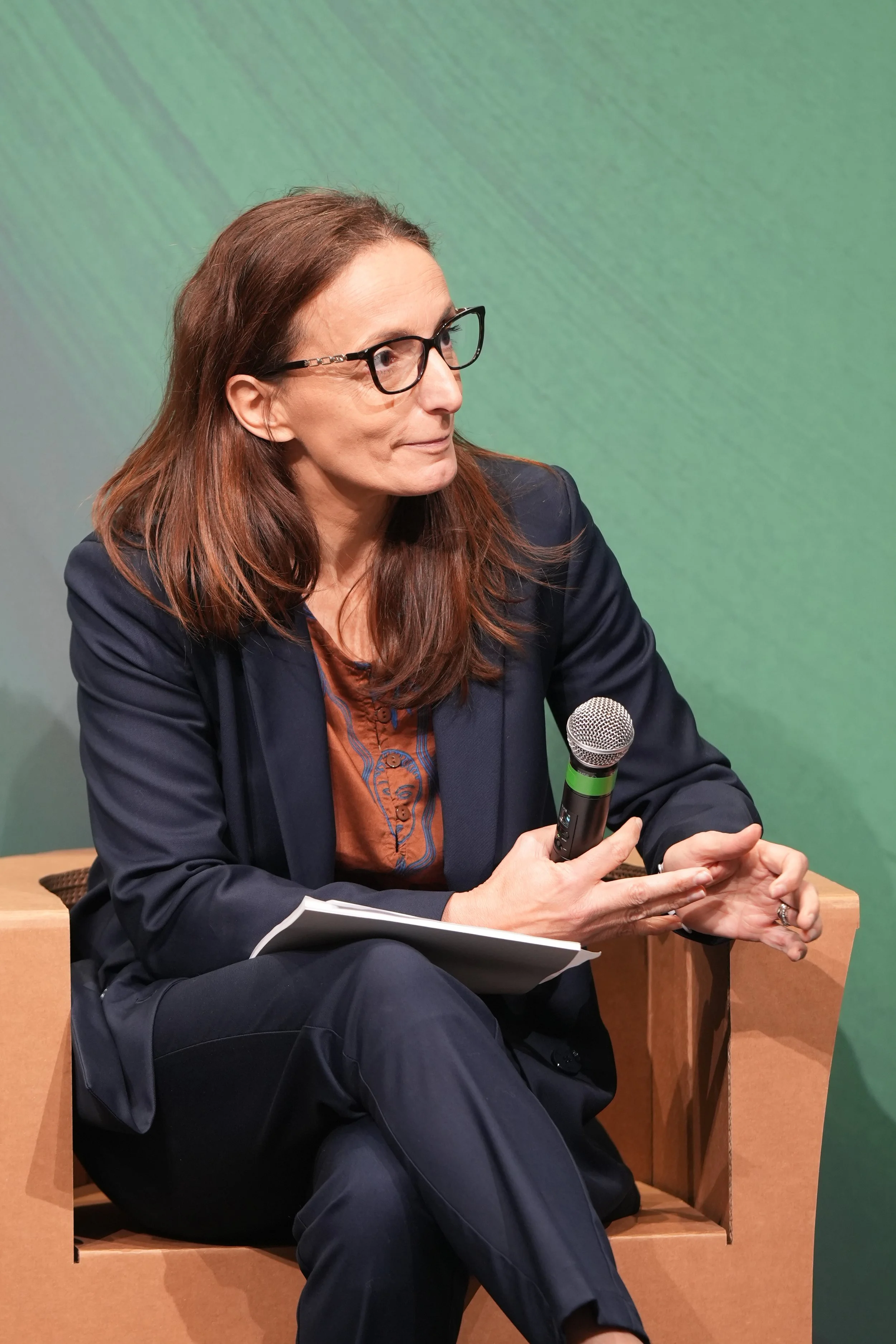
“Today, more than 95% of the packaging used in our restaurants is made from certified paper that is recyclable or comes from recycled material,” said Elisa Carlino, Supply Chain Director at McDonald’s Italia. “Thanks to our collaboration with Seda, Comieco and the main local utilities, we have introduced increasingly innovative solutions. We favour single-component materials with no added PFAS, and we have reduced packaging grammage. This approach allows us to combine high food safety standards with effective end-of-life management of materials. The results confirm that this model works: in our restaurants, the paper recycling rate has reached 87%, showing how the circular economy can deliver concrete, measurable results.”
JOVA SUMMER PARTY 2026: CIRCULARITY COMES TO LARGE-SCALE EVENTS
A second example of what this model can do is the collaboration between Seda, Trident and Comieco for the Jova Summer Party 2026, which drew about 340,000 spectators across nine concerts. The setting had large crowds, short peak consumption times and particularly complex operating conditions. In this context, Seda helped design the packaging for the food & beverage areas, developing paper and paperboard solutions that combine functionality, a quality consumer experience and recyclability.
One of the most significant innovations was the introduction of paper cups designed specifically for serving beer. Seda developed this solution to meet the particular technical and functional requirements of this type of consumption. Thanks to the collaboration with Trident, Comieco and the operators involved in materials management, the tour achieved 66% separate collection. This shows that events with tens of thousands of participants can also adopt effective waste management models.
The experience also highlighted the value of raising audience awareness and of a collection system designed around the specific characteristics of the event. It opens new opportunities to apply these models to other events, concerts and large-scale gatherings.
The Italian model for collecting and recycling cellulose-based packaging is an industrial and environmental asset that deserves to be promoted at European level too. That means policies that support innovation, encourage collaboration between operators and recognise the results actually achieved.